


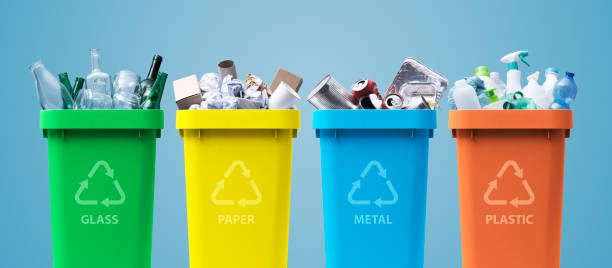
How to Avoid The 5 Most Common Recycling Mistakes
Here's the thing about recycling, different towns and different states can have different recycling policies on what they accept.
Have you ever been standing in front of your recycle bin contemplating if the item you're holding can be recycled? I have done this many times, and it usually involves something like a soup starter carton that is cardboard. But then I ask myself, what about the plastic coating on the inside?
Mixed material products always stop me in my tracks as what to do with them.
When we are unsure if an item can be recycled, many of us cross our fingers and put the item in the recycle bin hoping it will make it through the process and get recycled and turned into some other useful product.
This is called wishcycling. And I'm totally guilty of doing this. Our intentions are good, but we've actually created a huge pain in the ass for recycling facilities.
Wishcycling adds financial, labor, and environmental burdens throughout the recycling system. Workers have to manually pull that thing off the conveyor belt and send it to the landfill. Or if it's a big item, stop the machinery so it doesn't damage or clog up the system. Some wild items can come through a recycling facility such as shoes, bicycle tires, garden hoses, styrofoam coolers, plastic toys, and even the odd bowling ball or two.
The antidote to wishcycling is pretty simple: Don’t make assumptions and take the time to learn which items are recyclable in your town. I have googled if my area accepts mixed material products, but the information was vague on local websites so I called. It turns out my area does accept mixed material products.
The bottom line is this - if you’re not sure, trash it!
According to recycling facilities just focusing on correcting the 'Big Five Most Common Mistakes' could be a big win for recycling.
The BIG Five Recycling Mistakes
Plastic Bags
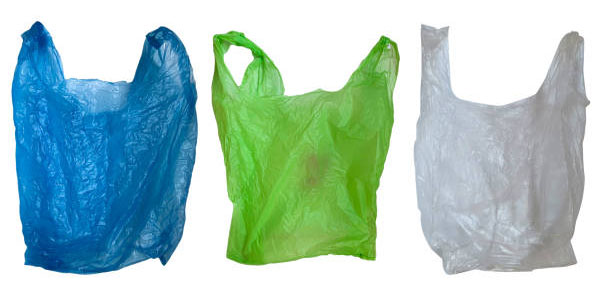
Soft film plastic bags of any kind, including zipper-locks, bubble wrap, plastic padded Amazon envelopes, garbage bags, plastic wrap around paper towels or toilet paper, and bread bags, don’t work in any recycling system.
Why it’s a problem: The main reason is that the soft plastic film jams the machinery. Workers have to hit the kill switch on the whole operation and manually pull it out of the system. The bags can also get tangled up with other recyclables. And when this happens all of those recyclables end up in a landfill rather than sold or repurposed.
Also don't put recyclables in a plastic bag in your blue bin. Most likely it will end up in a landfill because workers do not have the time to unbag and sort them.
But here is the good news, those soft film plastic bags can be recycled at special facilities and stores like Vons, Kholes, or Sprouts. They usually have drop off bins for them.
You can find local markets that accept them at BagandFilmRecycling.org. Just put in your zip code and it will show you a list of stores in your area.
Un-Rinsed Containers
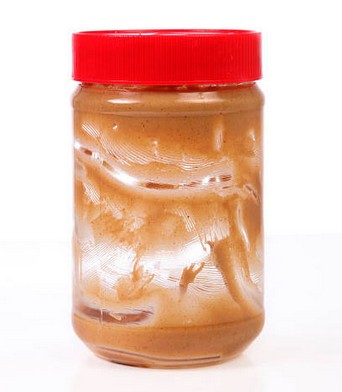
Why it’s a problem: The main reason is that old peanut butter or now congealed pasta sauce degrades the value of the material you’re recycling (which defeats the whole purpose). And it can also pose health and safety risks to the workers who have to handle that nastiness and deal with the critters (aka rats and wasps) that get attracted to it at the facility.
In most circumstances it is really quick and easy to rinse your recyclables – no soap or elbow grease needed. I have a peanut butter loving husband who seems to go through a container in a week. I fill up the container with water and put the lid back on and let it soak for a few days. I confess I have had 3 or 4 jars pile up on the counter. But when I do clean them it is really quick and easy. I dump out the water and use my 'peanut butter' cleaning brush to clean the sides. Since it has soaked for a few days it comes off easily.
Rigid Plastic
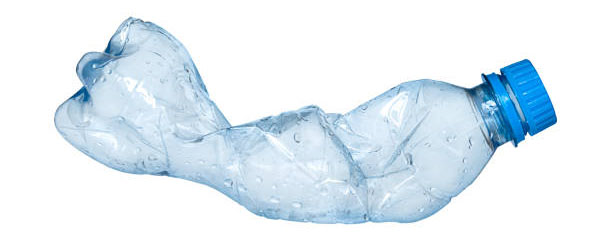
Recycling facilities are designed to take rigid, single-use plastic containers from food, drinks, and nonhazardous cleaning materials like shampoo and laundry soap. But not all plastic is single-stream recyclable.
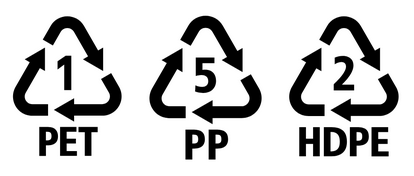
On most plastic, you can find a number inside a triangle of chasing arrows and letters next to it (like PET or HDPE). The numbers and letters are called Resin Identification Codes (or RICs) and they indicate the type of plastic it is. These codes were originally designed for the recycling facility and their sorting process.
Since these codes are listed on all plastic it is helpful to check your plastic containers to confirm if they are recyclable. Right now the main two types of plastics that are accepted everywhere to recycle are PET 1 (soft drinks, water, ketchup and beer bottles; mouthwash bottles; peanut butter containers; salad dressing; and vegetable oil containers) and HDPE 2 (Milk jugs; juice bottles, bleach, detergent and other household cleaner bottles; shampoo bottles, motor oil bottles, yogurt tubs) . PP 05 plastic is now been accepted in many more areas (Syrup and medicine bottles, caps, straws and some food containers). You would need to confirm with your local recycling facility if they accept this type of plastic.
Example of what these codes look like are below.
Scrap Metal
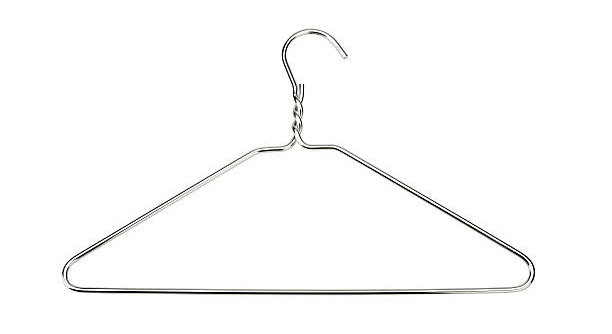
The same container rule applies here. Only 'cleaned' empty metal food, drink, and nonhazardous cleaning materials containers belong in your recycle bin (canned beans, soup, vegetables, etc).
Why it’s a problem: Other metal objects like silverware, bottle caps, metal jar lids, blades from safety razors, and wire hangers can be extremely dangerous for workers and damage recycling machinery.
Save those items and google a local scrap metal recycler. Metal has value - you might even make a few bucks.
Batteries
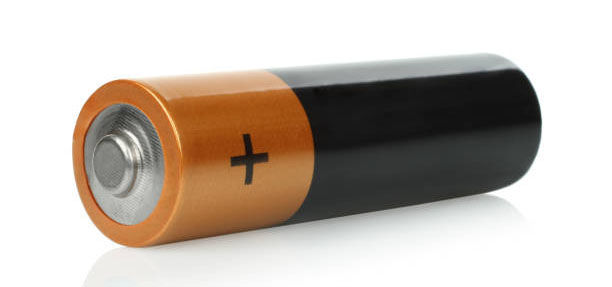
Batteries, especially lithium ions are huge no-nos for curbside recycling or the trash and can cause fires at recycling facilities, landfills, transfer stations, and even during transport.
Why it’s a problem: Batteries are extremely sensitive to heat and friction. And, there’s a whole lot of friction going on at recycling centers with complex mazes of converter belts, metal teeth, grinding gears, vibrating steel mesh, and high-powered magnets and vacuums.
For these safety reasons don't throw them out. Instead, save them in a box and google local recycling centers in your area to drop-off.
Recycling is a small step that we all can do that benefits our planet.
Knowledge, awareness, mindfulness and action are the building blocks to living a a more sustainable lifestyle.
We are so happy to be on this green journey with you!
For Inspiring Positive Eco News and Green Living - Follow us at:


Sign Up For The Luv Earth Newsletter
What's Good for YOU is also Good for the Planet!