
Your Protein Guide To Eating Less Meat
Plants can give us all of the healthy protein we need.
Several years ago, I learned that one of the best things I could do for the planet is to eat less meat. In the process, I learned that eating less meat is also extremely good for my health.
I talked to many of my friends (both meat-eaters and vegetarians) about the difficulty of getting proper amounts of protein without eating meat. Here are their general responses:
Meat-eaters
“It's extremely difficult to get adequate amounts of protein if you don't eat meat.”
Vegetarians
“It's very easy to get all the protein you need without eating meat.”
I learned that the true answer is somewhere in the middle.
The truth is, there are a lot of unhealthy vegetarians on our planet. And there are a lot of unhealthy meat-eaters. It's impossible to have a healthy amount of protein without knowledge.
When we eat protein, what are we talking about exactly?
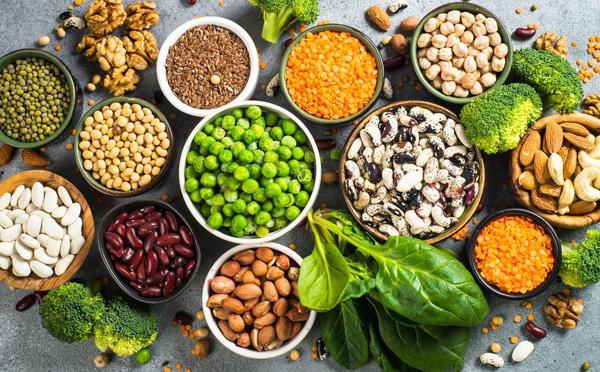
What is Protein
Proteins are made up of various amino acids linked together in specific sequences. There are 20 standard amino acids that can be found in proteins. Each amino acid has a unique chemical structure and properties that contribute to the structure and function of proteins.
Here are the 20 standard amino acids that are commonly found in proteins:
Alanine (Ala)
Arginine (Arg)
Asparagine (Asn)
Aspartic acid (Asp)
Cysteine (Cys)
Glutamic acid (Glu)
Glutamine (Gln)
Glycine (Gly)
Histidine (His)
Isoleucine (Ile)
Leucine (Leu)
Lysine (Lys)
Methionine (Met)
Phenylalanine (Phe)
Proline (Pro)
Serine (Ser)
Threonine (Thr)
Tryptophan (Trp)
Tyrosine (Tyr)
Valine (Val)
Arginine (Arg)
Asparagine (Asn)
Aspartic acid (Asp)
Cysteine (Cys)
Glutamic acid (Glu)
Glutamine (Gln)
Glycine (Gly)
Histidine (His)
Isoleucine (Ile)
Leucine (Leu)
Lysine (Lys)
Methionine (Met)
Phenylalanine (Phe)
Proline (Pro)
Serine (Ser)
Threonine (Thr)
Tryptophan (Trp)
Tyrosine (Tyr)
Valine (Val)
(Don't worry, you do not need to memorize them!)
These 20 amino acids can be categorized into two groups: 'essential amino acids' and 'non-essential amino acids.'
The human body makes 11 of these amino acids automatically. That means we don't have to eat foods that contain them. These are called “non-essential amino acids.”
But there are 9 amino acids that cannot be produced by our bodies. We have to obtain them from the foods we eat. These are called the “essential amino acids.”
Below are the 9 essential amino acids we must consume daily for optimal health.
1. Histidine
2. Isoleucine
3. Leucine
4. Lysine
5. Methionine
6. Phenylalanine
7. Threonine
8. Tryptophan
9. Valine
(You don't need to memorize these either! Read on.)
2. Isoleucine
3. Leucine
4. Lysine
5. Methionine
6. Phenylalanine
7. Threonine
8. Tryptophan
9. Valine
(You don't need to memorize these either! Read on.)
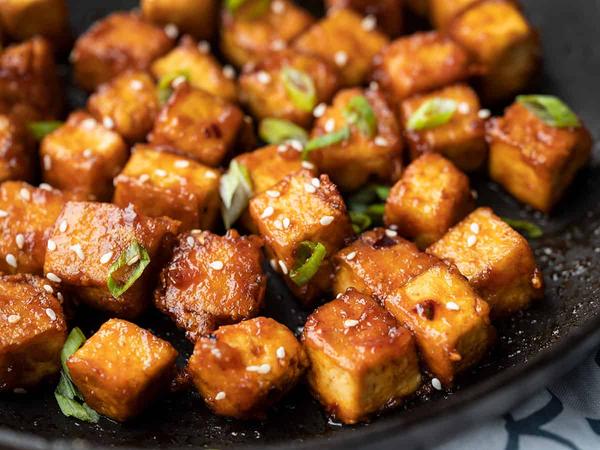
Complete Proteins vs Incomplete Proteins
A complete protein is a food that contains ALL NINE of the essential amino acids.
An incomplete protein is a food that contains some – BUT NOT ALL of the essential amino acids.
By simply COMBINING certain types of plant foods, we can consume all 9 of the essential amino acids in the proper amounts so we know for certain we are getting complete protein in every meal. Simple food combinations are the key!
Plant Sources of Quality Protein by Type
Legumes, grains, nuts, seeds, and vegetables are the most nutritious food types that contain protein. But as we've learned so far, not every food contains a complete amino acid profile (all 9 essential amino acids). Here is a list of common foods under each type:
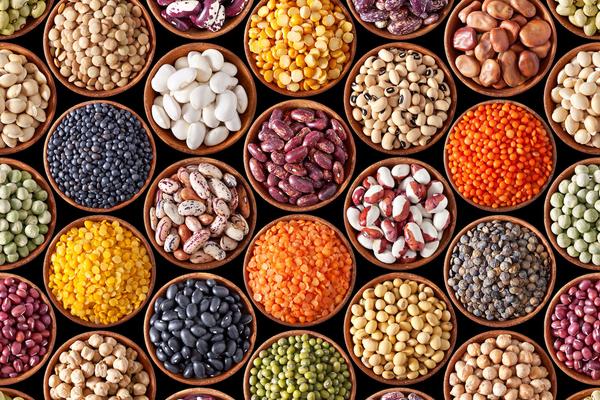
Legumes (the most common ones)
Green lentils
Brown lentils
Red lentils
Garbanzo beans (chickpeas)
Black chickpeas
Black beans
Red kidney beans
White kidney beans
Edamame (young soybeans – a complete protein)
Tofu (bean curd - a complete protein)
Tempeh (a complete protein)
Green peas
Green split peas
Yellow split peas
Adzuki beans
Pinto beans
Cannellini beans
Fava beans (broad beans)
Mung beans
Navy beans
Great Northern beans
Black-eyed peas
Lima beans
Azuki beans
Split chickpeas
Black gram
Mung dal
Green lentils
Brown lentils
Red lentils
Garbanzo beans (chickpeas)
Black chickpeas
Black beans
Red kidney beans
White kidney beans
Edamame (young soybeans – a complete protein)
Tofu (bean curd - a complete protein)
Tempeh (a complete protein)
Green peas
Green split peas
Yellow split peas
Adzuki beans
Pinto beans
Cannellini beans
Fava beans (broad beans)
Mung beans
Navy beans
Great Northern beans
Black-eyed peas
Lima beans
Azuki beans
Split chickpeas
Black gram
Mung dal
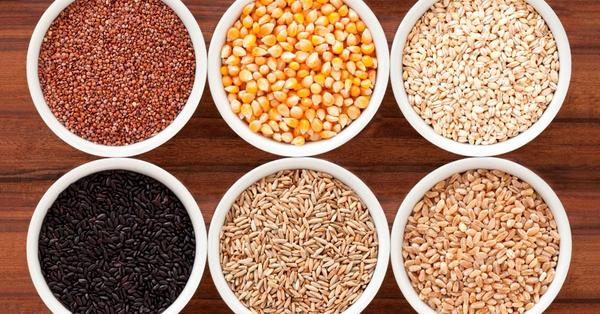
Whole Grains (the most common ones)
Brown rice (retains its bran and germ layers, providing more fiber and nutrients compared to
white rice.)
Quinoa (white, red, and black – all are complete proteins)
Oats
Barley
Whole wheat
Buckwheat
Farro
Millet (a gluten-free grain)
Amaranth (a gluten-free grain)
Freekeh
Sorghum (a gluten-free grain)
Triticale
Spelt
Teff
Kamut
Brown rice (retains its bran and germ layers, providing more fiber and nutrients compared to
white rice.)
Quinoa (white, red, and black – all are complete proteins)
Oats
Barley
Whole wheat
Buckwheat
Farro
Millet (a gluten-free grain)
Amaranth (a gluten-free grain)
Freekeh
Sorghum (a gluten-free grain)
Triticale
Spelt
Teff
Kamut
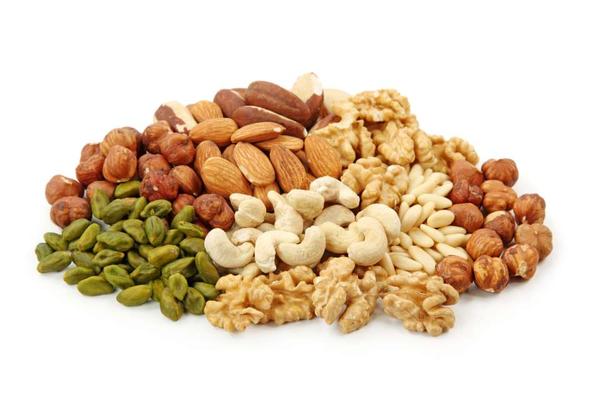
Nuts (the most common ones)
Almonds
Walnuts
Peanuts (technically legumes but are often considered nuts)
Cashews
Pecans
Brazil
Hazelnuts
Macadamia Nuts
Pistachios
Chestnuts
Pine nuts
Almonds
Walnuts
Peanuts (technically legumes but are often considered nuts)
Cashews
Pecans
Brazil
Hazelnuts
Macadamia Nuts
Pistachios
Chestnuts
Pine nuts
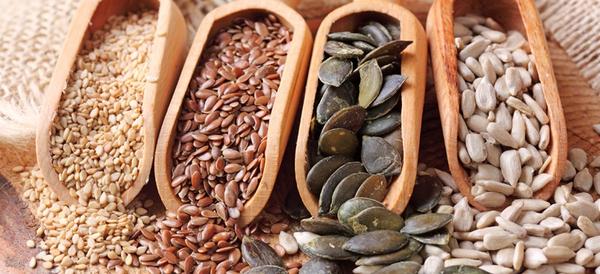
Seeds (the most common ones)
Flaxseeds (flaxseed meal is ground up flaxseeds)
Chia seeds
Hemp Seeds
Sunflower Seeds:
Pumpkin Seeds
Sesame Seeds
Poppy Seeds
Flaxseeds (flaxseed meal is ground up flaxseeds)
Chia seeds
Hemp Seeds
Sunflower Seeds:
Pumpkin Seeds
Sesame Seeds
Poppy Seeds
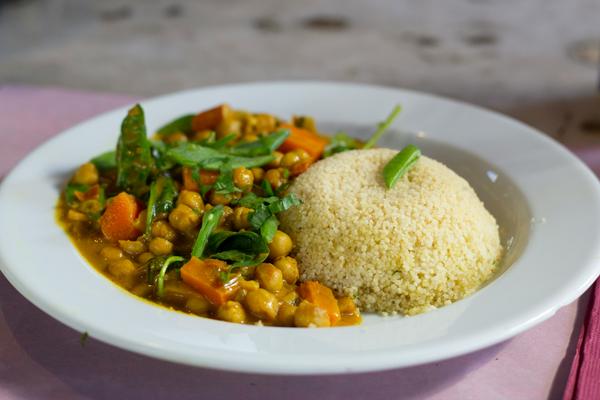
Daily Meal and Snack Combinations for Complete Protein
Legumes (1/2 to 1 cup) + Grains (1/2 to 1 cup) = Complete Protein
(example: beans + brown rice)
(example: beans + brown rice)
Legumes (1/2 to 1 cup) + Seeds (2 tbsp) = Complete Protein
(example: chickpeas + hemp seeds)
Nuts (15 to 25 nuts or 2 tbsp) + Grains (1/2 to 1 cup) = Complete Protein
(example: peanut butter on whole grain bread)
As long as you eat these combinations often with a variety of food types, you'll be getting all the complete protein your body needs. Find recipes with seasonings you like. For most people, this general guideline will work great.
If you are an athlete, you'll want to dig a little deeper since your protein and general nutritional needs are greater. For example, the average person only needs around 55 grams of protein per day. An athlete might need 100 grams or more per day. A bodybuilder might consume over 200 grams of protein daily.
Additionally, try to eat some of the vegetables below every day. These are extremely nutritionally dense, and even contain a significant amount of essential amino acids!

Vegetables (the highest amount of essential amino acids)
Spinach
Broccoli
Cauliflower
Brussels Sprouts
Asparagus
Sweet Potatoes
Kale
Spinach
Broccoli
Cauliflower
Brussels Sprouts
Asparagus
Sweet Potatoes
Kale
*Note: Nearly all vegetables and fruits contain small amounts of essential amino acids. But most are NOT particularly protein rich. They should be eaten because they are incredibly nutritionally dense! But the 7 vegetables above contain a relatively high amount of essential amino acids.
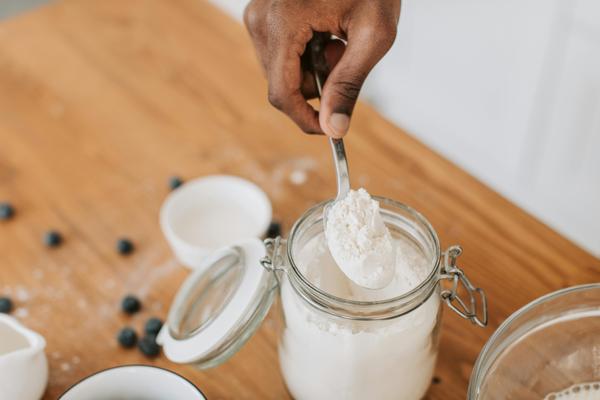
Protein Supplements
There are many great protein powders on the market. Supplementing your protein intake with protein powder is fast and easy. But not all protein powders are complete proteins. And not all protein powders are made from plants.
Whey Protein Powder is made from compounds in milk. It is an excellent source of complete protein. Scoop it into a blender with fruit for a fast and easy way to have a nutritious snack.
Plant Protein Powder contains essential amino acids from plants. But not all plant protein powders contain all 9 of the essential amino acids in the proper amounts. Be sure to read the label to confirm that it's a complete protein. Scoop it into a blender with fruits and/or vegetables for an awesome snack.
Generally speaking, the plant protein powders that are complete proteins tend to be the most “processed.” The least processed plant protein powders are the ones derived from one type of plant. Examples include Pea Protein Powder, Brown Rice Protein Powder, and Hemp Protein Powder. (There are others too!)
But you can combine various powders to create a complete essential amino acid profile in the same way we combine food types to make complete proteins. Here is an example:
Pea Protein Powder + Brown Rice Protein Powder = complete protein
In Closing...
In closing, I'd like to tell you my experience eating less meat. Once I understood the simple food combinations described above, it was easy to prepare protein-rich meatless meals. After experimenting with various seasonings from online recipes, I found a few that I loved. I started with “Meatless Mondays.” As I collected more and more recipes I liked, I added “Meatless Wednesdays” and later “Meatless Fridays.” With a little knowledge, it was surprisingly easy and fun to try new meals.
As I mentioned in the opening sentence of this report, I learned that one of the best things I could do for our planet is to eat less meat. Although I didn't plan to become a vegetarian, I gradually ate less and less meat without much thought. In the process, I became healthier, leaner, and increased my general feeling of well being.
I'm sure the same will happen for you!
Copyright 2025 Luv.Earth, Redondo Beach, CA
www.luv.earth
All Rights Reserved.